

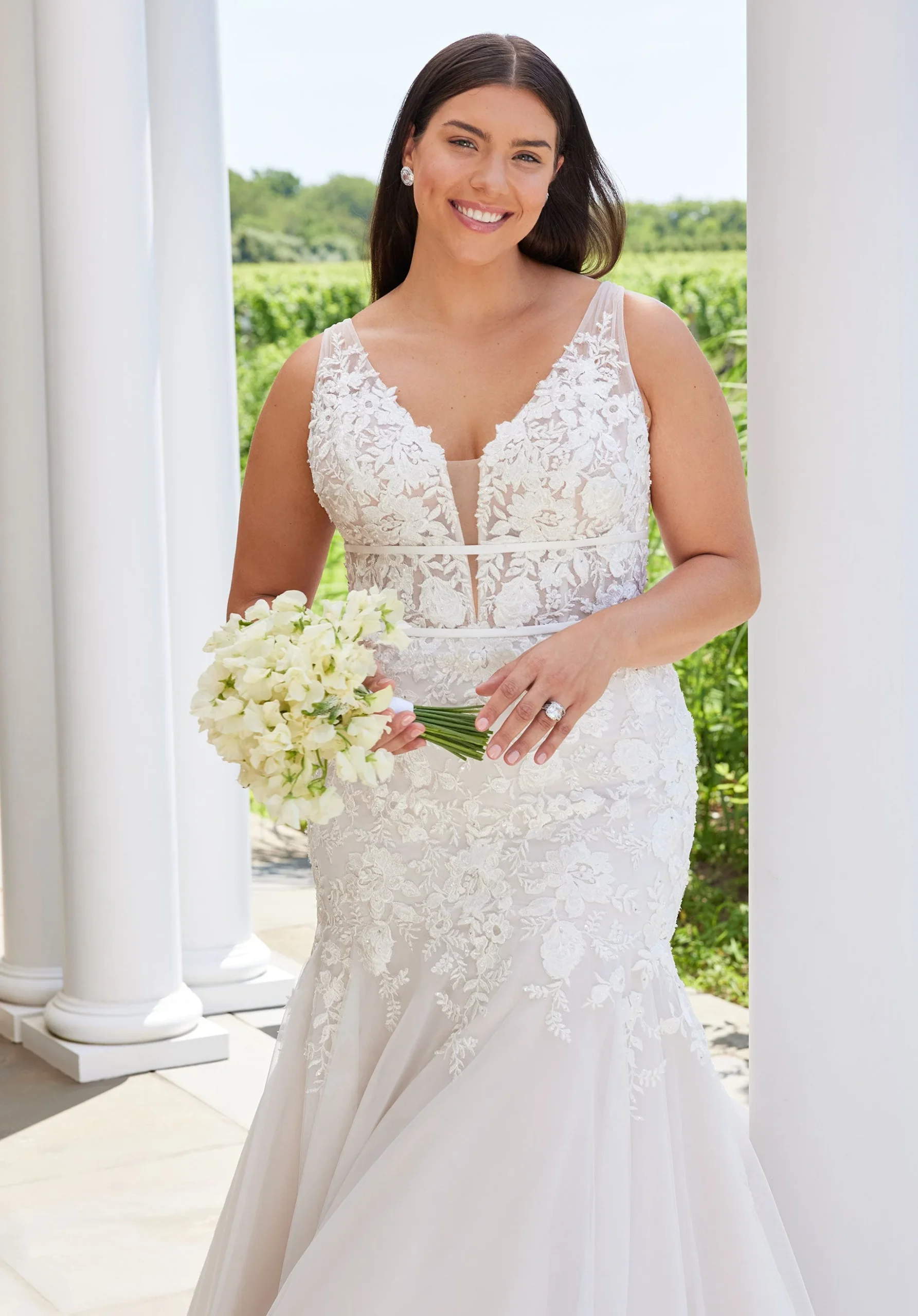
Every bride deserves to feel absolutely stunning on her wedding day — and that starts with a gown that fits like it was made just for her. But here’s the thing: off-the-rack wedding dresses rarely fit perfectly right off the hanger. Whether you’ve lost a little weight since your first fitting, found a vintage gem a size too small, or simply ordered online and ended up with something a touch too big, the big question on your mind is probably this: Can a wedding dress actually be resized?
The short answer? Yes — but with a few important caveats. Let’s walk through everything you need to know about wedding dress alterations, from what’s possible to what’s risky, and how to make sure your gown fits flawlessly on the big day.
Can a Wedding Dress Be Made Smaller?
Taking a wedding dress in — making it smaller — is generally the more straightforward of the two alteration directions. Most experienced seamstresses and bridal tailoring specialists can take a gown in by one to three sizes with relative ease, depending on the construction and fabric.
Here’s what typically happens when a dress is taken in:
- Side seams are adjusted to bring in the silhouette
- The bodice is restructured if it’s too large across the bust or waist
- The back closure (whether zipper or corset) may be repositioned
Most bridal boutiques, including trusted specialists like Affix Bridal, recommend buying your gown in a size that’s close to your measurements rather than sizing down, since taking a dress in is much easier than letting it out.
One important note: heavily beaded or lace-paneled gowns are trickier to alter because matching or repositioning embellishments takes considerable time and skill. Always ask your tailor about the specific challenges of your dress style before committing to alterations.
Can a Wedding Dress Be Made Larger?
This is where things get more complicated. Letting a dress out — making it bigger — is possible, but it comes with real limitations.
How much can a dress be let out?
Most gowns can be let out by about one to two sizes, if there’s enough seam allowance built into the dress. Here’s the catch: many wedding dresses, especially those from fast-fashion or budget bridal brands, are constructed with very minimal seam allowances — sometimes less than half an inch — which leaves almost nothing to work with.
If your dress needs to go up more than two sizes, you may need to consider:
- Adding fabric panels at the sides or back (this works best with solid fabrics)
- Inserting a lace or mesh panel at the back or sides for a seamless look
- Replacing the back closure with a corset back, which adds more flexibility to the fit
The success of these approaches depends heavily on the fabric type. Fabrics like chiffon and tulle are generally more forgiving and easier to blend. Structured fabrics like duchess satin or heavily boned bodices are significantly harder to alter without visible signs of the work.
Fabric Types and What They Mean for Alterations
Not all wedding dresses are created equal when it comes to alterations — and fabric plays a huge role. Here’s a quick breakdown:
| Fabric | Ease of Alteration |
| Chiffon | Moderate — lightweight but can fray |
| Tulle | Easy for volume adjustments |
| Satin (duchess) | Difficult — shows needle marks |
| Lace | Very difficult — pattern matching required |
| Crepe | Moderate — flows well, less forgiving of errors |
| Organza | Difficult — delicate and transparent |
If you’re working with a heavily embellished gown — think intricate beading, embroidery, or 3D floral appliqués — expect your alteration costs and timeline to be higher. These embellishments often need to be carefully removed, the fabric adjusted underneath, and then reapplied by hand. It’s painstaking work, and only a skilled bridal seamstress should attempt it.
Learn More: Bustle vs Train Wedding Dress Guide
When Should You Start the Alteration Process?
Timing is everything in bridal alterations — and brides are often surprised by how early they need to start.
Recommended timeline:
- Order your dress: At least 6–9 months before the wedding (more for custom or designer gowns)
- First fitting: 3–4 months before the wedding
- Second fitting: 6–8 weeks before
- Final fitting: 1–2 weeks before the wedding day
Rushing alterations is one of the most common bridal mistakes. A skilled seamstress needs time to do the work correctly, especially if your gown requires multiple rounds of adjustments or intricate embellishment work. At Affix Bridal, the alteration process is structured around multiple fitting appointments to ensure every adjustment is right before the next step begins — no rushing, no guessing.
If you’re working with a tight timeline (say, a wedding in under eight weeks), be upfront with your tailor from the start. Some alterations can be expedited, but expect a rush fee and understand that complex changes may not be feasible.
Risks of Altering a Wedding Dress
While most alterations go smoothly in the hands of an expert, it’s honest to acknowledge the risks:
- Visible alteration lines on satin or silk (needle holes don’t disappear)
- Pattern misalignment on lace or printed fabrics
- Structural changes that affect the silhouette unintentionally
- Embellishment loss during the alteration process
The biggest risk comes from choosing the wrong person to do the work. Not every seamstress — even an excellent one — has experience with bridal fabrics and construction. Wedding dresses are among the most complex garments to alter, and bridal-specific expertise matters enormously.
Expert Tips for a Smooth Alteration Experience
A few pieces of advice that make a real difference:
- Bring your wedding shoes to every fitting. Hemming a dress without the right heel height is one of the most common alteration errors.
- Wear the undergarments you plan to wear on the day. Shapewear, strapless bras, and corsets all affect how a dress fits.
- Get a second opinion if something feels off. Alterations aren’t irreversible (until they are), so speak up early.
- Document your fitting with photos. It helps you track changes and communicate clearly with your seamstress.
- Don’t wait until the last minute. We can’t say this enough — give yourself time.
At Affix Bridal, every fitting appointment is treated as a collaboration between the bride and the tailor. The goal isn’t just a dress that fits — it’s a dress that moves beautifully, feels comfortable, and reflects exactly who you are on your wedding day.
People Also Ask
Can a wedding dress be altered more than two sizes?
It depends on the dress construction and fabric. Going up or down more than two sizes is technically possible but increasingly difficult and risky. Structural changes and fabric additions may be required, and results can vary.
How early should I get my wedding dress altered?
Ideally, start the alteration process three to four months before your wedding, with a final fitting one to two weeks before the big day.
Is it better to buy a wedding dress too big or too small?
Most tailors prefer to work with a dress that’s slightly too large, since taking in a dress is easier and more reliable than letting one out.
Can any seamstress alter a wedding dress?
Technically yes, but bridal gowns are complex garments. It’s strongly recommended to work with a seamstress or tailor who has specific experience with bridal fabrics and construction.
Learn More: Last-Minute Bridal Alterations in Houston – What to Do
Conclusion
So, can you change the size of a wedding dress? Absolutely — and in most cases, with the right expertise and enough time, your gown can be transformed into something that fits you perfectly. Whether you need minor tweaks or more significant resizing, the key ingredients are the same: a skilled bridal tailor, quality materials, and a realistic timeline.
Don’t let a sizing issue stand between you and the dress of your dreams. With the right approach, even a dress that doesn’t quite fit today can become the one that makes you feel completely and utterly yourself on the most important day of your life.


